Solo Female Travel / 2026
Istanbul Solo Female Travel Guide
Honest, practical advice for women traveling Istanbul alone. Not a safety brochure, not dismissive — just the real picture from someone who keeps going back.
Last updated May 2026
Powered by ITINE
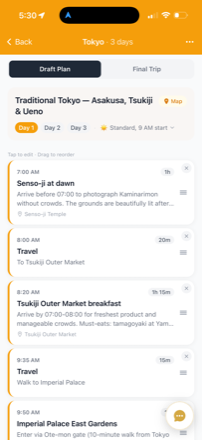
Get this guide as a tappable itinerary
Day-by-day plan, audio tours, and one-tap Google Maps — completely free.

Destinations
Your Itinerary
Google Maps
The Real Picture
Safety in Istanbul — An Honest Assessment
I’ve traveled solo in Istanbul four times now. The first time I was nervous. By the third trip, I was walking home at midnight through Cihangir without a second thought. Istanbul is safer than most Western European capitals for solo female travelers when it comes to violent crime. Millions of women — Turkish and foreign — navigate this city daily without incident. Turkish people are protective of solo women travelers in a way that feels genuine, not patronizing. Shop owners will walk you to your next destination. Taxi drivers will refuse to drop you in a sketchy area. If you encounter trouble, bystanders intervene — they don’t look away.
Yes, men will try to talk to you in Sultanahmet. No, it’s not dangerous. It’s annoying. The intensity drops dramatically once you leave the main tourist strip. The worst I’ve experienced is a shoe-shiner near the Hippodrome who wouldn’t take no for an answer. I said “hayir” firmly and kept walking. That was it. The harassment is verbal, not physical, and a firm no combined with continued walking resolves 99% of situations instantly. These men are playing a numbers game — they move on immediately.
The practical reality: you will be approached by friendly strangers. Most of this is genuinely Turkish hospitality — the country has a deep cultural tradition of welcoming guests. The shopkeeper offering tea usually just wants to chat. The person helping you find your way is usually just being kind. Learning to distinguish genuine warmth from a sales pitch takes about 48 hours in the city. The tell: if someone approaches you near a tourist site and the conversation steers toward their “uncle’s shop,” it is a sales funnel, not a friendship.
Night safety follows predictable patterns. Main streets in Beyoglu, Kadikoy, Besiktas, and Cihangir are well-lit and populated until late. Istiklal Caddesi has people at all hours. Aksaray at night is the one area I actively avoid. It’s not dangerous exactly, but it’s poorly lit and feels uncomfortable. The same goes for empty side streets in Fatih and isolated spots near the old city walls after midnight. The metro and trams are safe at all hours with CCTV coverage throughout.
Where to Base Yourself
Best Neighborhoods for Solo Women
Not all neighborhoods feel the same for a woman alone. These five offer the best combination of safety, walkability, solo dining options, and atmosphere.
Conventional wisdom says stay in Sultanahmet. I disagree. Kadikoy or Cihangir are better bases for solo women — more progressive, better nightlife, and you’ll meet other solo travelers. Sultanahmet is convenient for sights but exhausting for everything else when you’re alone.
Kadikoy
Asian SideArtsy, progressive, independent
The best neighborhood for solo women in Istanbul, full stop. Kadikoy has the city's best specialty coffee scene, independent bookshops, vintage stores, and a thriving arts community. The Moda waterfront is perfect for sunset walks. The food market (Kadikoy Pazar) is a daily sensory overload. The crowd here is young, liberal, and diverse. You will feel zero unwanted attention walking alone at any hour.
Cihangir
European SideBohemian, cafe culture, diverse
Istanbul's most bohemian neighborhood, with Bosphorus views slicing between every building. The cafe culture here is legendary — Cihangir is where writers, artists, and creatives spend their days at laptop-friendly spots. The neighborhood is notably LGBTQ-friendly and cosmopolitan. I found that solo breakfasts here feel like a ritual, not an afterthought. Steep streets keep it quiet despite being minutes from Istiklal.
Beyoglu & Galata
European SideCentral, walkable, lively day and night
The most walkable neighborhood for a first-time solo visitor. Galata Tower anchors the lower end, Istiklal Caddesi runs the length, and the area is packed with restaurants, galleries, and rooftop bars. Solo dining is effortless here — meyhanes (taverns) are full of solo locals eating meze. At night, the crowds provide natural safety. The only downside: Istiklal can feel overwhelming during weekend evenings.
Sultanahmet
European SideTouristy, historic, convenient for sights
The obvious base for first-timers wanting to be close to Hagia Sophia, Blue Mosque, and Topkapi Palace. The trade-off: more persistent touts and carpet sellers who specifically target solo women with conversation openers. It is completely safe — just more tiring to navigate alone because of the constant 'where are you from?' attention. Best strategy: stay here if you want walkable sights, but eat and socialize in Beyoglu or Kadikoy.
Besiktas
European SideLocal, university, progressive
A genuinely local neighborhood with a major university presence (Bogazici University is nearby). The Besiktas fish market is excellent, the Saturday organic market is a weekend highlight, and the waterfront tea gardens are perfect for solo afternoons. Few tourists come here, which means zero tout harassment. The vibe is progressive and young. Excellent ferry connections to the Asian side.
Eating Alone
Solo Dining in Istanbul
Istanbul is one of the easiest cities in the world for solo dining, and this is not an exaggeration. Three cultural traditions make it effortless:
Breakfast culture: Turkish breakfast (kahvalti) is designed for lingering. A serpme kahvalti (spread breakfast) at a neighborhood spot involves dozens of small plates, unlimited tea, and absolutely no rush. Spending two hours alone with a book at breakfast is completely normal behavior here — you will see Turkish women doing it everywhere.
Lokanta culture: Lokantas are a solo traveler’s secret weapon. You point at what looks good behind the glass, they plate it. No awkward menu-studying, no waiter hovering. I eat at lokantas almost exclusively when I’m alone. These are everywhere and they’re how most working Istanbullus eat lunch daily.
Tea garden culture: Cay bahcesis (tea gardens) are designed for sitting alone for hours. Order a tea for 30 lira, read your book, watch the Bosphorus. Nobody will ask you to leave or give you a look. This is what tea gardens are for.
My first solo dinner in Kadikoy, I sat at a corner table feeling self-conscious. The owner brought me tea, then dessert “from the house,” then sat down to practice his English. I stayed two hours. That experience set the tone for every solo meal after — in my experience, Istanbul treats solo diners not with pity but with curiosity and warmth.
Recommended Solo-Friendly Spots
My go-to solo lunch spot in Kadikoy. The rotating Anatolian dishes behind the glass counter change daily. You point, they plate. I've eaten here alone at least six times and always end up in conversation with the person next to me about what we ordered.
Elegant lokanta with a long bar perfect for solo diners. Order mezes and watch the kitchen work. Lunch crowd is largely solo professionals.
Legendary Kurdish breakfast spot. Tables are communal during peak hours — easy to chat with neighbors. A solo breakfast here can stretch to two hours without anyone rushing you.
Neighborhood lokanta beloved by local artists and writers. Counter seating makes solo dining natural. Excellent home-style cooking at honest prices.
Sourdough bakery-cafe with excellent brunch. The window seats are perfect for solo people-watching with a flat white and a book.
Buy fresh fish from the market and have it grilled at adjacent restaurants. The communal bench seating means you are never eating alone — strangers share tables naturally.
Practical, Not Preachy
What to Wear in Istanbul
Istanbul is a secular, modern city. Wear what you want. This is not a destination where you need to pack a special wardrobe or worry about dress codes in daily life. Turkish women in Istanbul wear everything from full hijab to crop tops and shorts, depending on their personal choice and neighborhood. You will see the full spectrum on any tram ride.
For mosque visits: Cover your shoulders and knees, and bring a scarf for your head. Major mosques (Blue Mosque, Suleymaniye, Hagia Sophia) provide free headscarves and sometimes wraps at the entrance, so forgetting is not a crisis. Shoes come off at the door — wear something easy to slip on and off.
In conservative neighborhoods (Fatih, Eyup): Modest dress reduces unwanted stares. This means covering knees and shoulders. You will not be refused entry or confronted for wearing shorts, but you will blend in better and attract less attention with a midi skirt or linen trousers. Think of it as a courtesy, not a requirement.
In Kadikoy, Beyoglu, Cihangir, Besiktas: Anything goes. Sleeveless tops, short skirts, whatever feels comfortable. These neighborhoods are as liberal as any Western European city. You will not receive any attention for your clothing choices here.
Practical tip: In my experience, Istanbul involves enormous amounts of walking on cobblestones and hills. Comfortable shoes matter more than any cultural dress consideration. I keep a light scarf in my bag at all times — it solves any spontaneous mosque visit and doubles as sun protection on ferry rides.
Reading the Room
Cultural Navigation for Solo Women
How to handle the situations that guidebooks rarely prepare you for.
Persistent vendors and carpet sellers
Say “no thank you” once, firmly, without smiling, and keep walking. Do not stop, do not make eye contact, do not engage in the “where are you from” opener. If you stop to answer, you have entered the sales funnel. This is not rude — it is expected. The sellers immediately move on to the next person. They are professionals playing a numbers game, not personally offended.
Being offered Turkish tea
In a shop or near the Grand Bazaar, tea is a sales tool (a nice one — you are under no obligation to buy). In a residential neighborhood, from a neighbor or a non-tourist shopkeeper, it is genuine hospitality and one of the loveliest aspects of Turkish culture. The context tells you everything: tourist area = sales lubrication; local area = genuine warmth. Accept the local ones — these moments become your best travel memories.
Visiting a hammam alone
Completely normal and one of the best solo activities in Istanbul. Women’s sections are staffed entirely by women. You will be given a pestemal (wrap) and shown to a locker. The protocol: undress to your comfort level (most women keep underwear on, some go fully nude — both are normal), wrap in your pestemal, and enter the hot room. Your attendant (natir) will scrub and massage you. Tips are expected (20-30% at tourist hammams). Budget 2-3 hours for the full experience.
Being invited to dinner or someone’s home
This happens more than you expect in Turkey, and it is usually 100% genuine. Turkish hospitality is legendary and inviting strangers to eat is a deep cultural tradition. Use your judgment: invitations from families, women, older people, or in the context of an extended conversation are almost certainly safe and will be memorable. Invitations from young men you just met in a tourist area warrant more caution. When in doubt, suggest meeting at a public restaurant instead.
The “where are you from” opener
You will hear this hundreds of times. In tourist areas, it is usually the start of a sales pitch or an attempt to practice English that can escalate to requests for your Instagram. In local neighborhoods, it is genuine curiosity — Turks are naturally curious about foreigners and this is their standard conversation starter. The response depends on context: in Sultanahmet near shops, keep walking; in a Kadikoy cafe or from your lokanta waiter, engage freely. You will quickly develop the instinct for which is which.
Stay Smart
10 Practical Safety Tips
Standard urban awareness adapted for Istanbul specifically.
Best Solo Experiences
Solo Itinerary Highlights
Experiences that are particularly rewarding when you are traveling alone — either because solitude enhances them or because they naturally connect you with others.
Skip the organized “women-only” tours unless you specifically want a group experience. Istanbul is one of the easiest cities to navigate solo — you don’t need a handler.
Sunrise at Galata Bridge
Arrive at 6am when fishermen are setting up and the light hits the Old City minarets. Grab a glass of cay from a bridge vendor. Zero crowds, maximum magic.
Turkish cooking class
Half-day classes (try Cooking Alaturka or Istanbul Cooking School) attract other solo travelers. You will leave with new friends and new recipes.
Hammam experience
A solo hammam visit is deeply restorative. Book the full treatment (scrub + foam massage) at Kilic Ali Pasa or Cagaloglu. Allow two hours minimum.
Kadikoy food walk
Start at the ferry terminal, wind through the market, sample borek, sip Turkish coffee, end at Moda waterfront. Three hours of pure solo bliss.
Sketching at Suleymaniye Mosque courtyard
The quietest major mosque courtyard in Istanbul. Bring a sketchbook or journal. The marble columns, garden views, and Golden Horn panorama reward lingering.
Golden hour at Pierre Loti Hill
Take the Eyup cable car up for sunset views over the Golden Horn. The tea garden is full of locals and the light is extraordinary. Ferry back via Eyup for a perfect evening.
Frequently Asked Questions
Is Istanbul safe for solo female travelers?
Yes. Istanbul is broadly safe for solo women and statistically safer than many Western European capitals regarding violent crime. Street harassment (catcalling, persistent vendors) exists in touristy areas like Sultanahmet, but violent incidents against female tourists are extremely rare. Standard urban awareness applies — stick to well-lit streets at night, use registered taxis or BiTaksi, and trust your instincts.
Should I cover my head in Istanbul?
No — Istanbul is a secular city and there is no expectation for tourists to cover their heads in daily life. You only need a headscarf when entering mosques (major mosques like the Blue Mosque and Suleymaniye provide free scarves at the entrance). Outside of mosques, wear whatever you are comfortable in.
Can I go out at night alone in Istanbul?
Yes, with normal precautions. Beyoglu (Istiklal Caddesi area), Kadikoy, Besiktas, and Cihangir are lively and safe well into the night with plenty of people around. Avoid empty back streets in Fatih, Aksaray, and around the old city walls after midnight. The metro and tram are safe at night, and BiTaksi is reliable for late rides home.
Is solo dining awkward in Istanbul?
Not at all — Istanbul is one of the easiest cities in the world for solo dining. Lokanta culture (point-and-choose lunch spots) requires zero conversation. Breakfast culture encourages lingering for hours. Tea gardens are designed for sitting alone with a book. No one will give you a second glance for dining solo.
Will I face harassment as a solo woman in Istanbul?
Some verbal attention is likely in tourist-heavy areas like Sultanahmet — mostly from carpet sellers and restaurant touts, not threatening but annoying. In residential and progressive neighborhoods like Kadikoy, Cihangir, and Besiktas, you will likely experience zero unwanted attention. A firm 'hayir, tesekkurler' (no, thank you) and continued walking handles 99% of situations.
What is the best area to stay for solo female travelers?
Kadikoy (Asian side) is the top pick — progressive, artsy, excellent cafe scene, very safe at all hours, and well-connected by ferry. Cihangir is the second choice — bohemian, walkable, great restaurants. Beyoglu/Galata works well for first-timers who want to be central. Sultanahmet is convenient for sights but has more tout attention.
Should I join group tours as a solo female traveler?
Group tours are great for social connection but not necessary for safety. Istanbul is very manageable independently with Google Maps and the metro system. If you want company, walking food tours and cooking classes attract solo travelers. Free walking tours from Galata are another easy way to meet people without committing to a full day.
Can I visit hammams alone as a solo woman?
Absolutely — visiting a hammam solo is completely normal and one of the best solo experiences in Istanbul. Traditional hammams have separate women-only sessions or entirely separate women's sections. Staff (tellak/natir) are female in women's sections. Popular options: Cagaloglu Hamami, Ayasofya Hurrem Sultan Hamami, and Kilic Ali Pasa Hamami all welcome solo women.
Is the metro safe for women in Istanbul?
Yes. Istanbul's metro, tram, and ferry system are safe and well-monitored with CCTV. Some buses have women-only sections (pink seats near the front) but these are optional, not mandatory. Rush hour can be crowded — if you prefer more space, the first and last carriages tend to be less packed.
How do I handle unwanted attention in Istanbul?
Firm body language works best. Say 'hayir' (no) clearly, avoid prolonged eye contact with persistent strangers, keep walking, and do not feel obligated to be polite if someone makes you uncomfortable. Ducking into any shop or restaurant and speaking to staff works instantly — Turkish people are protective and will intervene. In an emergency, call 155 (police) or shout 'imdat' (help).
Continue Planning
Istanbul First Time Guide
Essential tips, common mistakes, cultural dos and don'ts, and everything else first-timers need to know.
Read moreIstanbul Neighborhoods Guide
Deep dive into every major neighborhood — what each area is known for, who it suits, and where to stay.
Read moreIstanbul Food Guide
What to eat, where to eat it, and how to navigate Istanbul's extraordinary food scene with confidence.
Read more