Photography Guide
Istanbul Photography Guide
Best Spots, Golden Hour & Tips
I once waited 40 minutes on the Galata Bridge for the light to hit the Suleymaniye silhouette. A fisherman next to me offered tea while I waited. That photo is still my favorite from any trip. This guide is everything I learned shooting Istanbul over multiple visits — 15+ locations with exact times, f-stops, and hard-won access notes.
Last updated May 2026
Powered by ITINE
Get this guide as a tappable itinerary
Day-by-day plan, audio tours, and one-tap Google Maps — completely free.
Destinations
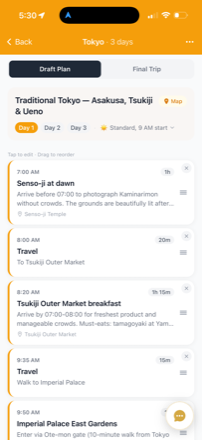
Your Itinerary
Google Maps
Light & Timing
Golden Hour & Light Guide
Istanbul sits at 41°N latitude — dramatic seasonal variation in light. The city is split by the Bosphorus with the Asian side facing west and European side facing east across the water. In practice: morning light front-lights the Asian shore minarets (shoot from Eminonu facing east). Evening golden hour back-lights the European skyline, giving you silhouetted Hagia Sophia and Blue Mosque profiles against warm sky (shoot from Kadikoy or the ferry).
The Bosphorus acts as a massive natural reflector. On calm mornings, the water bounces soft fill light upward onto waterfront mosques and palaces — about +1 stop of free fill. In my experience, this effect is strongest in autumn (October-November) when atmospheric haze adds depth separation between layers of minarets and the sun angle produces long raking shadows across the historic peninsula. I recommend planning your trip for late October if light quality is your priority.
Sunrise & Sunset by Season
Short golden hours, dramatic low-angle light
Ideal — long golden hour, soft light
Extended golden hour, harsh midday
Best atmosphere, fog, warm tones
Overcast daysare not wasted days. Flat light is actually ideal for mosque interiors (no blown-out windows, even exposure on tile work), bazaar photography (consistent light across market stalls), and the colored houses of Balat (saturated pastels without harsh shadow lines). I've gotten some of my strongest street photography under grey Istanbul skies — the dynamic range is manageable and skin tones render more naturally.
Blue hour (20-40 minutes after sunset) is when the floodlit mosques separate from the sky — warm orange mosque against deep blue. The Bosphorus Bridge LED colors shift during this window. Technically: shoot at f/8, ISO 400-800, 2-4 second exposures on a tripod. Galata Bridge or the Uskudar waterfront are your best platforms for this.
Locations
Top 16 Photography Spots
Organized by area with shooting times, composition notes, and access restrictions. I've rated difficulty based on how hard it is to get a good shot — not how hard it is to find the place. Cluster nearby spots during the same light window to maximize a single morning or evening.
Sultanahmet
3 spotsHagia Sophia Interior
ModerateFree entry (functioning mosque since 2020). Modest dress required — cover shoulders and knees, women wear headscarf (provided at entrance). No photography during prayer times. No tripods. Portrait mode on iPhone butchers the interior — shoot 0.5x wide and crop later.
Blue Mosque Courtyard
EasyOpen 30 min after sunrise prayer. No photos during prayer. Free. By 9 AM it's a zoo.
Basilica Cistern
HardTicketed (~450 TL, check current pricing). No flash, no tripods. Expect lens fogging when you exit back into heat.
Galata / Beyoglu
3 spotsGalata Tower Rooftop
EasyTicketed (check current pricing — was ~650 TL in early 2026). Packed at sunset. No tripods on deck.
Galata Bridge at Dawn
EasyPublic, always accessible.
Istiklal Avenue at Night
EasyPublic. Busy weekends. Keep gear tight to your body.
Golden Horn
4 spotsSuleymaniye Mosque Courtyard
EasyFree. Fraction of Blue Mosque crowds. Courtyard open outside prayer times.
Pierre Loti Hill
EasyCable car from Eyup. Free. Tripods OK. Less dramatic than it sounds — I recommend it only if you're already in Eyup.
Valens Aqueduct at Dawn
EasyPublic street (Ataturk Bulvari). Always accessible. Tripods fine — nobody cares at this hour.
Balat Colorful Streets
EasyPublic streets. Increasingly touristy on weekends — the Instagram crowd arrives around 10 AM.
Bosphorus
3 spotsBosphorus Ferry Crossing
EasyIstanbulkart works. Bring a lens cloth — sea spray is constant.
Ortakoy Mosque with Bridge
EasyPublic waterfront. Tripods OK.
Maiden's Tower from Uskudar
EasyUskudar promenade. Free. Tripods OK.
Asian Side
3 spotsKadikoy Market
EasyPublic streets off Gunesli Bahce Sokak. Ask before close-up portraits.
Camlica Hill Panorama
EasyMetro accessible. Tripods OK. Camlica Mosque nearby.
Moda Waterfront
Easy20-min walk from Kadikoy along coast. Tripods OK. Relaxed vibe.
Etiquette
Mosque Photography Rules
Istanbul's mosques are active places of worship, not museums (even Hagia Sophia, reconverted in 2020). Respectful photography is welcome outside of prayer times. In my experience, following these rules actually gets you better photos — you'll be calm, positioned correctly, and security won't tap your shoulder mid-exposure. I've seen tourists get ejected for flash. Don't be that person.
✓ Do
- Remove shoes before entering (use the bags provided)
- Dress modestly — long pants, covered shoulders, women cover hair
- Arrive at opening time (30 min after fajr prayer) for empty interiors
- Use natural light only — mosque light is beautiful as-is
- Shoot architecture, patterns, calligraphy, light and shadow
- Move slowly and quietly; treat it as a contemplative space
- Check the prayer schedule posted at the entrance
Don't
- Never use flash — it disturbs worshippers and ruins the mood
- No photos during active prayer times (5 times daily)
- Don't photograph worshippers without explicit permission
- No tripods inside any mosque (monopod or steady hand only)
- Don't block doorways or walking paths for your shot
- Avoid loud shutter sounds — put your phone on silent
- Never step on prayer rugs with shoes or point camera at someone praying
Gear & Tips
Practical Photography Tips
Field-tested gear notes. I've shot Istanbul with everything from an iPhone to a full-frame mirrorless kit. Here's what actually matters and what you can leave at home.
Walking Routes
Curated Photo Walk Routes
Two routes I've walked multiple times, designed around light direction and timing. Follow them in order — each stop is positioned so the sun is where you need it when you arrive.
Dawn Route — The Morning Call
5:30 AM start3 hours | Best in spring/summer when sunrise is before 6 AM | Captures the city waking up with the best front-lit angles on European landmarks.
- 15:30 AMGalata Bridge (center span)
Fishermen setting up, first light hitting Suleymaniye Mosque across the Golden Horn. Shoot facing south-west for warm front-light on the mosque.
- 26:00 AMEminonu waterfront
Ferries starting their routes, seagulls over the pier, Yeni Mosque catching first direct sunlight. Wide-angle and telephoto both work here.
- 36:30 AMWalk up to Suleymaniye Mosque
15-min uphill walk. Arrive as the mosque opens to visitors. Shoot the courtyard with morning shadows, then the Golden Horn panorama from the terrace.
- 47:30 AMSuleymaniye Terrace & Garden
The rear terrace offers unobstructed views over the Golden Horn toward Galata Tower. Light is golden and warm on the water. Best panorama location in the city.
- 58:00 AMDescend through Vefa neighborhood
Winding streets, old Ottoman houses, the famous Vefa Bozacisi shop. Soft light in narrow streets. End at a lokanta for Turkish breakfast — you've earned it.
Golden Hour Route — The Sunset Crossing
5:00 PM start3 hours | Best May-September when sunset is after 7:30 PM | Crosses the Bosphorus by ferry for the iconic skyline-from-water shot.
- 15:00 PMOrtakoy Waterfront
Arrive early to scout angles. The Ortakoy Mosque with the Bosphorus Bridge behind it is one of Istanbul's most iconic compositions. Warm afternoon light hits the mosque facade directly.
- 25:45 PMOrtakoy to Bosphorus Bridge views
Walk along the waterfront toward Kurucesme. The bridge becomes increasingly photogenic as the sun lowers. Street vendors, waterfront cafes, and yali (wooden mansions) line the shore.
- 36:15 PMFerry from Besiktas to Uskudar
Take the commuter ferry (Istanbulkart works). 15-minute crossing. Position yourself on the upper deck, starboard side (right) facing the European shore. Minarets against the setting sun.
- 46:45 PMUskudar Waterfront — Maiden's Tower view
The Maiden's Tower silhouette with the European skyline burning orange behind it. This is the shot. Stay through blue hour for the tower lights reflecting on water.
- 57:30 PMWalk or bus south to Kadikoy Moda
End at the Moda waterfront for the final light. The entire European skyline — from Galata Tower to the historic peninsula — spreads across the horizon. Blue hour here is extraordinary.
Photography FAQ
Do I need a photography permit in Istanbul?
For personal/non-commercial photography, no permit is needed in public spaces. Commercial shoots (for brands, publications, or with professional lighting setups) at major sites like Hagia Sophia, Topkapi Palace, or inside the Grand Bazaar require permits from the Istanbul Metropolitan Municipality or the Directorate of Foundations. For social media content creation with basic gear, you will not be stopped.
What is the best camera for photographing Istanbul?
Any modern smartphone (iPhone 15+, Pixel 8+, Samsung S24+) handles 90% of Istanbul photography beautifully. For dedicated cameras, a mirrorless body (Sony A7, Fuji X-T5, Canon R6) with a 24-70mm zoom covers most scenarios. Bring a wide-angle (16-35mm) for mosque interiors and a fast prime (35mm or 50mm f/1.8) for low-light bazaar shots and street photography.
Can I fly a drone in Istanbul?
Drone flying is effectively banned for tourists in central Istanbul. The entire Bosphorus strait, all military zones, airports, and the historic peninsula are no-fly zones. You need a permit from the DGCA (Directorate General of Civil Aviation, known locally as SHGM) and local police clearance — practically impossible to obtain as a visitor. Flying without authorization means confiscation and fines. Some outer areas (Princes' Islands, Belgrade Forest) may be options but regulations change frequently — verify before flying.
What is the best time of year for photography in Istanbul?
October and November offer the best atmospheric conditions: golden light, occasional mist over the Bosphorus, fewer tourists, and dramatic skies. April-May is the second-best window with spring light and tulip season. Summer (June-August) has harsh midday light but spectacular long golden hours. Winter (December-February) brings moody, overcast skies perfect for dramatic cityscapes and mosque interiors, but daylight hours are short.
How do I photograph inside mosques without being disrespectful?
Enter during non-prayer times (check the schedule posted at the entrance). Remove shoes, dress modestly (women cover hair). Use natural light only — no flash. Shoot quietly without blocking worshippers. Avoid photographing people praying without their explicit consent. The best strategy is to arrive right when the mosque opens (30 minutes after the sunrise prayer) for empty interiors and beautiful light.
Are there photography tours in Istanbul?
Yes. Several operators run early-morning photo walks focusing on Sultanahmet and the Golden Horn, street photography tours in Balat/Fener, and rooftop/terrace access tours. Expect to pay $80-150 USD per person for a 3-4 hour guided shoot. Look for tours by local photographers rather than generic tour companies — they know the exact light angles and hidden spots.
What about street photography ethics in Istanbul?
Istanbul is generally photography-friendly. Market vendors in tourist areas expect cameras. In residential neighborhoods like Balat or Fatih, be respectful — ask permission before close-up portraits, especially of women and children. If someone gestures no, respect it immediately. Photographing military installations, government buildings, and police is prohibited. At protests or demonstrations, keep your distance.
What is the best spot for an Istanbul skyline photo?
The top three skyline spots: (1) Galata Tower rooftop for the Old City panorama with Hagia Sophia and Blue Mosque; (2) Suleymaniye Mosque courtyard terrace looking over the Golden Horn; (3) Camlica Hill on the Asian side for the widest panorama including both Bosphorus bridges. For a unique angle, take the Eminonu-Kadikoy ferry at sunset — the receding European skyline with its minaret silhouettes is iconic.
Can I use a tripod in Istanbul's tourist sites?
It varies. Tripods are banned inside Hagia Sophia, Topkapi Palace, and the Basilica Cistern. They are generally allowed in outdoor public spaces like mosque courtyards (outside prayer times), parks, and waterfronts. For Galata Tower, no tripods on the observation deck. If security asks you to put it away, comply without argument. A compact Gorillapod or monopod draws less attention than a full-size tripod.
How do I protect my camera gear in Istanbul?
Istanbul is generally safe, but take standard precautions: use a cross-body camera strap (not a neck strap that can be grabbed), keep your bag zipped in crowded areas (Grand Bazaar, Istiklal Avenue, ferries), and never leave gear unattended. For weather, carry a rain cover — Istanbul gets sudden showers. Humidity near the Bosphorus can fog lenses when transitioning from air-conditioned spaces to outdoors, especially in summer.
Related Guides
3-Day Istanbul Itinerary
The classic route through Sultanahmet, Beyoglu, and the Bosphorus — optimized for first-time visitors with photography stops built in.
Read moreNeighborhoods Guide
Understand which neighborhoods to explore, what each area looks like, and how to plan your photography routes between them.
Read moreBest Time to Visit Istanbul
Seasonal weather patterns, crowd levels, and events that affect both your photography conditions and overall experience.
Read more