Seasonal Guide / 2026
Istanbul in Winter
Everyone says April-May is the best time to visit Istanbul. We think late November through February is better — empty monuments, warm hammams, seasonal food you cannot get any other time of year, and a city that feels like it belongs to you and the locals.
Last updated May 2026
Powered by ITINE
Get this guide as a tappable itinerary
Day-by-day plan, audio tours, and one-tap Google Maps — completely free.
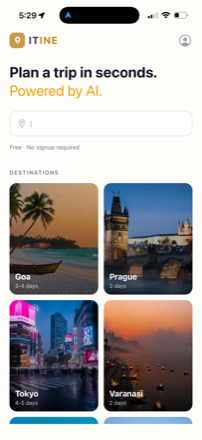
Destinations
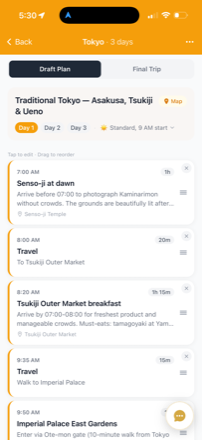
Your Itinerary
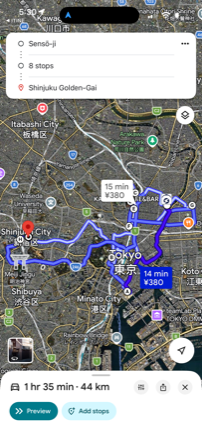
Google Maps
The Case for Winter
Why Winter Istanbul Is Underrated
We visited Istanbul in January expecting misery. Instead we got the Hagia Sophia almost entirely to ourselves, our best hammam experience (the contrast between freezing rain outside and marble steam inside is unforgettable), and the best bowl of lentil soup in living memory. In summer, Hagia Sophia means queuing for two hours in 35°C heat, shoulder-to-shoulder with thousands. In winter, you walk through the door. No line. The vast nave stretches before you in near-silence, morning light filtering through high windows onto the marble floor.
Let's be clear: Istanbul in January can be gray, wet, and 4°C for five days straight. If you need sunshine to enjoy a vacation, come in May instead. But if you can handle European winter weather, the trade-offs are enormous. Istanbul is fundamentally an indoor city. The Grand Bazaar — 4,000 shops under one covered roof — was built for weather exactly like this. Hammams were designed as refuges from cold. Tea houses, nargile cafes, and lokanta restaurants are where Istanbullus actually spend their winters. When you visit in summer, you are seeing the outdoor version of a city whose soul lives indoors. Winter visitors get the real thing.
Hotel prices drop 20-30% from peak summer rates. This is not a marginal saving — a boutique hotel in Sultanahmet that charges 4,000 TL per night in July might cost 2,800 TL in January. Flight prices follow suit. The Grand Bazaar shopkeepers, seeing fewer tourists, become more willing to negotiate. Your budget stretches in ways it simply cannot in high season. One warning we learned the hard way: budget hotels in Sultanahmet often have terrible heating. We froze in a 3-star in January. Spend the extra 200 TL/night for a place with reviews mentioning "warm room" or "good heating."
Then there is the food. Sahlep — a thick, creamy hot drink dusted with cinnamon — is only available October through March. Real sahlep (from actual orchid tubers) is increasingly rare. The street vendor version is still warm and delicious, but for the real thing, try Hafiz Mustafa or Ali Muhiddin Haci Bekir. Boza, a fermented wheat drink that has been a winter tradition since Ottoman times, disappears from menus in spring. Hamsi (Black Sea anchovies) reach peak season in December-February. Street vendors with charcoal braziers sell roasted chestnuts on every corner, their smoky warmth cutting through the cold air. And hearty soups — mercimek (lentil), iskembe (tripe), dugun (wedding soup) — fill the menu boards at every lokanta. Istanbul in winter feeds you differently, and arguably better.
Know Before You Pack
Weather Month by Month
Istanbul winter is not Scandinavian cold, but it is not Mediterranean mild either. Think London with more wind and steeper hills. Damp, blustery, and grey — with enough crisp, clear days to reward the prepared traveler.
December
Cold rain dominates, occasional snow dusting. Holiday decorations light up Istiklal. The wet cobblestones reflect neon and minaret lights after dark — bring a camera.
January
The coldest month. Expect 3-7°C, occasional snow that melts by noon, and Istanbulites who think this is the apocalypse. Perfect museum and hammam weather. Transport can be disrupted when snow actually sticks.
February
Still cold but you can feel the days stretching. When the sun breaks through between storms, cafes drag chairs onto the pavement within minutes. The quietest month for tourists.
March
Wildly unpredictable. We had 18°C and sunshine on a Monday, then 6°C sideways rain by Wednesday. Tulips start appearing by late March. Pack for everything.
What to Do
Best Winter Activities
Organized by type. Everything here is better in winter — either because crowds are gone, the weather makes it more enjoyable, or it is literally only available in cold months.
Indoor Culture
5 picksHagia Sophia
Summer means 2+ hour queues. In winter, you walk right in. The interior light on grey days is hauntingly beautiful through the upper windows.
Grand Bazaar
4,000 shops under one covered roof. It was literally designed for weather like this. Warm, dry, and endlessly explorable.
Turkish & Islamic Arts Museum
World-class carpet collection and calligraphy in a heated palace. Almost empty in winter — you will have rooms to yourself.
Istanbul Modern
Renzo Piano's new waterfront museum. Contemporary Turkish art with Bosphorus views from the cafe. Perfect rainy afternoon.
Basilica Cistern
Underground, temperature-controlled, atmospheric. The dripping water and dim lighting feel even more dramatic in winter.
Warming Experiences
3 picksHammam
The best season for it. We discovered this by accident — stumbling in from freezing rain into 45°C marble steam, the cold completely forgotten within minutes. The contrast is addictive. Try Kilic Ali Pasa (historical, less crowded) or Ayasofya Hurrem Sultan (tourist-friendly, pricier).
Turkish Breakfast (Serpme Kahvalti)
2-hour spread of 20+ dishes. Winter mornings were made for this. Van Kahvalti Evi in Cihangir or Namlisarap in Karakoy.
Tea Houses (Cay Bahcesi)
Turks drink more tea per capita than anyone. In winter, indoor tea houses with Bosphorus views become your living room.
Seasonal Food & Drink
5 picksSahlep
Hot orchid root drink, thick and creamy, dusted with cinnamon. Only available October-March. Most street sahlep is made from powder, not real orchid root — still warm and comforting, but for the genuine article made from actual orchid tubers, try Hafiz Mustafa or Ali Muhiddin Haci Bekir.
Boza
Fermented wheat drink, slightly sweet and tangy. Winter-only tradition. Vefa Bozacisi has been serving it since 1876. An acquired taste — try it at least once.
Roasted Chestnuts (Kestane)
Street vendors with charcoal braziers on every corner. Hot, smoky, and cheap. The smell alone defines Istanbul winter.
Hamsi (Anchovy) Season
December-February is hamsi season. Fried, baked in bread (hamsi ekmek), or in rice (hamsili pilav). Fresh from the Black Sea, best at lokanta restaurants.
Hearty Soups (Corba)
Winter lokantas hit different. The glass counter is full of slow-cooked stews, braised lamb, and soups that have been simmering since dawn. Point at the darkest, most rustic-looking pot — it is always the best one. Mercimek (lentil), iskembe (tripe), and dugun (wedding soup) are the winter staples.
Atmospheric Experiences
4 picksFog Over the Bosphorus
Winter mornings bring thick fog that erases the Asian shore. Ferries emerge from whiteness like ghost ships, their horns echoing across the water. Best viewed from the Eminonu waterfront with a hot tea in hand.
Suleymaniye Mosque in Snow
If you catch snowfall, Suleymaniye's courtyard in white is the most photogenic scene in the city. The dome against heavy grey sky, steam rising from the tea garden next door, footprints in fresh snow on 500-year-old stone.
Istiklal Street Decorations
December brings holiday lights and decorations to Istanbul's main pedestrian avenue. The red tram draped in lights is iconic.
Galata Tower on a Clear Day
Winter clear days after storms offer the sharpest visibility. You can see all the way to the Princes Islands and the snow-capped hills of the Asian side.
Gear Up
What to Pack for Winter Istanbul
Istanbul winter is not about extreme cold — it is about persistent damp, wind, and the constant in-out between heated interiors and cold streets. Pack for flexibility, not for Antarctica.
Essential
- Warm waterproof coatWind off the Bosphorus cuts through anything less. Waterproof is non-negotiable — Istanbul rain is persistent.
- Layers (thermal + fleece)Buildings are well-heated, outside is cold. You will be constantly adding/removing layers. Zip-off is ideal.
- Waterproof shoes with gripCobblestones get dangerously slippery when wet. Leather-soled shoes are a recipe for disaster on Sultanahmet's stone streets.
- Sturdy umbrellaBosphorus wind destroys cheap umbrellas in minutes. Bring a compact windproof one or buy a heavy Turkish one on arrival.
- Scarf and warm hatEssential for ferry crossings and mosque visits. A large scarf doubles as head covering for mosques.
Nice to Have
- Hand warmersFor long outdoor walks — Sultanahmet, Galata Bridge, waterfront promenades. Small and cheap insurance against cold fingers.
- Thin socks for mosquesYou remove shoes at every mosque. Thick socks on cold marble floors are fine, but having a clean pair to switch into helps.
- Packable day bagFor carrying layers you have removed indoors. Bazaars are warm, outside is not — you need somewhere to stash your coat.
Winter-Specific Intel
Practical Tips for Winter Visitors
The things guidebooks forget to mention. Each of these will save you time, money, or frustration on a cold day.
Day by Day
3-Day Winter Itinerary
Optimized for short daylight, cold weather, and indoor-heavy activities. Each day has built-in rainy-day alternatives and warming stops. Start later (9 AM, not 7 AM) because winter mornings are dark.
Hagia Sophia (no queue in winter)
Arrive at opening. Even in peak winter, you might share it with only 50 people instead of 5,000.
Basilica Cistern
Underground and temperature-stable. The dripping water echoes differently when there are no crowds.
Lunch at a warm lokanta
Try Tarihi Sultanahmet Koftecisi for no-frills meatballs, or Matbah for Ottoman cuisine in a heated courtyard.
Turkish & Islamic Arts Museum
Across from the Blue Mosque. World-class carpets and calligraphy. You will likely have entire galleries to yourself.
Afternoon hammam
Ayasofya Hurrem Sultan Hamami is steps away. Book the full traditional treatment. Coming out into cold air after steam is invigorating.
Dinner and hotel
Early nights in winter are normal. The city quiets down. Enjoy a slow dinner with raki and meze.
Grand Bazaar (opens 8:30)
Go early when shopkeepers are still setting up. Hot tea will be offered constantly. Accept — it is free and warming.
Spice Bazaar (Misir Carsisi)
Smaller, more aromatic, less overwhelming. Buy Turkish delight and spices. The colors pop against grey winter light outside.
Walk across Galata Bridge
Fishermen cast lines year-round. Stop at a fish sandwich boat underneath if hungry. Dress warm — the bridge is windy.
Galata Tower
Clear winter days after rain offer the best visibility. If it is foggy, save this for Day 3 and go to Istanbul Modern instead.
Istanbul Modern museum
Renzo Piano's waterfront building. Warm, dry, and genuinely excellent contemporary art. The cafe has Bosphorus views.
Istiklal Street evening stroll
December: holiday lights reflect off the wet pavement and the red tram glows in the dark. Jan-Feb: quieter, more atmospheric, with street musicians playing to smaller crowds. Duck into Cicek Pasaji for raki and meze.
Ferry to Kadikoy
Dress warm for the deck — 20 minutes across the Bosphorus. The European skyline recedes into mist behind you while seagulls pace the ferry. Even in grey weather, the crossing feels cinematic.
Kadikoy Market breakfast
The covered market is warm and full of food stalls. Grab simit, cheese, olives, and fresh-squeezed pomegranate juice.
Moda waterfront walk (if clear)
If weather allows, the Moda coastal path has views back to Sultanahmet. If raining, explore Kadikoy's vintage shops and bookstores instead.
Lunch in Kadikoy/Uskudar
Kanaat Lokantasi in Uskudar — a 90-year-old lokanta where the winter menu includes quince dessert and Ottoman-era stews you will not find anywhere else. Worth the short dolmus ride from Kadikoy.
Ferry back + final shopping
Return to Eminonu. Last chance for spices, Turkish delight, or ceramics. Street vendors selling roasted chestnuts line the waterfront.
Sahlep and farewell views
Find a waterfront bench or cafe near Eminonu. Order sahlep (hot orchid root drink). Watch the ferries, the seagulls, the minarets against the winter sky.
Frequently Asked Questions
Is winter a good time to visit Istanbul?
Yes, if you accept the trade-offs. You get dramatically fewer crowds (Hagia Sophia without queues alone is worth it), 20-30% lower hotel prices, authentic seasonal food, and the city's incredible indoor culture — hammams, bazaars, museums, tea houses — was designed for exactly this weather. The downsides are cold rain, shorter days, and occasional ferry disruptions.
Does it snow in Istanbul?
Yes, but not reliably. Istanbul gets 2-3 significant snowfalls per winter, mostly in January and February. Snow rarely sticks for more than a day or two in the city center. When it does snow, the domes and minarets against white sky look like an Ottoman painting — but transport can be disrupted, especially on the Asian side's hilly streets.
How cold does Istanbul get in winter?
Average winter temperatures range from 3-9°C (37-48°F). January is coldest with occasional dips below freezing at night. Wind chill from the Bosphorus makes it feel colder than the numbers suggest. It rarely drops below -5°C (23°F) even in extreme cold snaps.
Are outdoor attractions open in winter?
Yes, all major outdoor attractions remain open year-round including Topkapi Palace gardens, mosques, and parks. However, some rooftop restaurants close, Bosphorus cruise boats run reduced schedules, and Princes Islands ferries are less frequent. Indoor attractions like Hagia Sophia, museums, and the Grand Bazaar are unaffected by weather.
Should I visit a hammam in winter?
Absolutely — winter is the best season for a hammam. The contrast between freezing rain outside and 45°C marble steam inside is something your body actually craves in a way it simply does not in summer. Book midweek for the quietest experience. Budget 1.5-2 hours for the full traditional treatment.
What seasonal foods should I try in winter Istanbul?
Sahlep (hot orchid root drink with cinnamon, October-March only), boza (fermented wheat drink, winter tradition since Ottoman times), roasted chestnuts from street vendors, hamsi (fresh Black Sea anchovies, December-February), hearty soups like mercimek (lentil) and iskembe (tripe), and slow-cooked meat stews at lokanta restaurants.
Is Istanbul cheaper in winter?
Significantly. Hotel prices drop 20-30% compared to summer peaks (May-September). Flight prices also decrease, especially in January-February. Museum queues are shorter so you waste less time, and you can negotiate better prices in the Grand Bazaar when fewer tourists are around. Budget travelers can stretch their money much further.
What about New Year's Eve in Istanbul?
Istanbul celebrates New Year's Eve enthusiastically. Istiklal Street fills with crowds, restaurants offer special menus (book well in advance), and there are fireworks over the Bosphorus. Hotels charge premium rates for December 31. The city has a festive atmosphere throughout late December with lights and decorations on major streets.
Are ferries reliable in winter?
Mostly yes, but cancellations happen during strong storms (particularly south winds called lodos). The short Kadikoy-Eminonu commuter ferries rarely cancel. Longer Bosphorus cruise routes are more affected. Always check the IDO or Sehir Hatlari apps on storm days. The Marmaray tunnel train between continents never cancels — use it as backup.
What are the best neighborhoods to stay in during winter?
Beyoglu/Karakoy for walkability to restaurants, nightlife, and Istanbul Modern. Buildings are newer and better heated. Sultanahmet for proximity to major sights but older buildings can be drafty — check heating reviews. Kadikoy (Asian side) for authentic neighborhood life and excellent food markets but requires ferry crossings that may be disrupted.
Continue Planning
Best Time to Visit Istanbul
Month-by-month breakdown of weather, crowds, prices, and events. Find your ideal travel window.
Read more3-Day Istanbul Itinerary
Day-by-day plan covering Sultanahmet, Beyoglu, and the Asian side. Works in any season with minor adjustments.
Read moreIstanbul Hammam Guide
Which hammams are worth it, what to expect, etiquette, and prices. Essential reading for winter visitors.
Read more