Istanbul in 7 Days: The Full Story
Seven days lets you stop racing and start living Istanbul. This itinerary goes beyond the monument checklist into the neighborhoods, Bosphorus villages, island escapes, and backstreet food scenes that make this city addictive. You'll cross the Bosphorus by ferry more times than you can count, eat at places no guidebook mentions, and leave understanding why 16 million people choose to live in beautiful chaos.
Powered by ITINE
Get this guide as a tappable itinerary
Day-by-day plan, audio tours, and one-tap Google Maps — completely free.
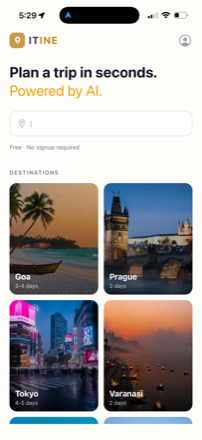
Destinations
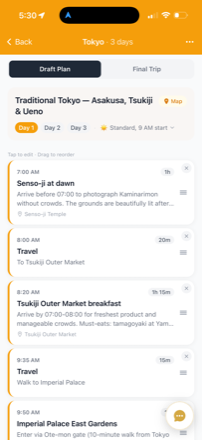
Your Itinerary
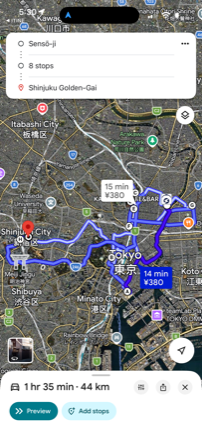
Google Maps
Day 1 — Sultanahmet, Eminonu, Fatih
Sultanahmet & the Historic Peninsula
Two Empires, One Square: 2,500 Years in a Single Day
Start where every civilization that mattered left its mark. Sultanahmet packs the Hagia Sophia, Blue Mosque, Topkapi Palace grounds, the Basilica Cistern, and the ancient Hippodrome into a square kilometer of history. You're not rushing anything today — this is a relaxed seven-day trip, so linger where the mood strikes. Finish browsing the quieter Arasta Bazaar while the Grand Bazaar crowds are elsewhere.
Morning Edition
Hagia Sophia & the Blue MosqueHagia Sophia Grand Mosque
Here's what a week in Istanbul buys you: the freedom to visit the Hagia Sophia without rushing, and maybe come back a second time. Arrive by 08:30 to beat the tour group gridlock that starts by 10am. The 1,500-year-old dome is the kind of space that grows on you — the first visit is all shock at the scale, but if you return later in the week (say, before a prayer time when it's half-empty), you'll start noticing subtleties: the way light migrates across the nave throughout the day, the calligraphy medallions floating in the pendentives, the patched-over places where Byzantine mosaics once covered every surface. Women cover heads (free scarves at entrance), shoes come off, no entry fee since the reconversion to a mosque.
Arrive before 09:00 — the difference between 08:30 and 10:00 crowds is staggering.
The upper gallery has been largely closed to tourists since the 2020 reconversion to a mosque. Check current access status before visiting — policies change frequently.
Prayer times close the mosque to tourists for 30-45 minutes. Check the daily schedule posted at the entrance.
Sultan Ahmed Mosque (Blue Mosque)
Sultan Ahmed I built this mosque explicitly to outdo the Hagia Sophia across the square — and the exterior almost succeeds. The cascade of domes, the six minarets (a controversy at the time, since only Mecca had six), and the courtyard proportions are imposing. Inside, the restoration scaffolding covers large sections of the 20,000+ Iznik tiles that give the mosque its 'Blue' name, so the interior is less impressive than it will be once the work finishes. Give it 20 minutes for the remaining lower-wall tilework and the overall sense of scale, then move on. By the end of the week, after you've seen Suleymaniye and others, you'll have a more informed opinion about which mosque in Istanbul really wins.
Visit between prayer times. The mosque closes to tourists 30 minutes before each prayer.
Tourist entrance is on the south side (Hippodrome side), not the main courtyard.
Hippodrome & the Obelisk of Theodosius
This was the chariot racing stadium of Constantinople — 100,000 spectators watched races here that regularly sparked political riots. What remains is the long rectangular park with three ancient monuments: the Egyptian Obelisk (3,500 years old, dragged from Luxor), the Serpent Column from Delphi, and the rough-hewn Constantine Obelisk. It's a 15-minute stroll, but standing where a Byzantine hippodrome once roared is worth the pause. The German Fountain at the north end was a gift from Kaiser Wilhelm II — a diplomatic souvenir that somehow survived everything else.
The Hippodrome is an open public space — no tickets or queues. Best combined with the Blue Mosque visit since they're adjacent.
For context on what the hippodrome looked like in its prime, the Istanbul Archaeological Museum (Day 7) has excellent scale models.
Afternoon Edition
Topkapi Grounds, Basilica Cistern & Arasta BazaarLate Breakfast at Palatium Cafe
With a full week ahead, your first Istanbul breakfast should set the tone: slow, generous, and well away from the tourist gauntlet. Palatium Cafe on Kucuk Ayasofya Caddesi is two blocks south of the main drag and a different universe in quality and pricing. The serpme kahvalti arrives in waves — sucuk sizzling in a copper pan, menemen in its own pot, cheeses, olives, honey, jams, simit, and unlimited cay. This is a meal you sit with, not rush through. By the end of the week you'll have eaten breakfasts in Cihangir, Balat, and Ortakoy — Palatium is your Sultanahmet benchmark.
Ask for 'kahvalti tabagi' for the full spread. Ordering individual items misses the point.
The restaurants along Divan Yolu with barkers out front charge 2-3x for worse food. You'll develop a radar for these by Day 3.
Topkapi Palace Grounds & Courtyards
You're not going inside the museum today — that deserves its own focused visit (or skip it entirely; the Harem aside, the interior collections are underwhelming for the ticket price). Instead, walk through the free-access outer courtyards and the imposing Imperial Gate. The First and Second Courtyards are open to the public without tickets. Walk to the terrace behind the Fourth Courtyard area for a panorama that earns the visit on its own: the Golden Horn, Galata Tower, and the Bosphorus spread out below you. The gardens alone are worth 30 minutes.
If you want to enter the paid museum sections, book online at muze.gen.tr. Full entry is around 1,500 TRY; the Harem is an additional 700 TRY.
The terrace cafe inside the grounds serves overpriced but scenic tea. Worth it for the view if you need a rest.
Basilica Cistern
The Cistern is worth approaching as a study in how Istanbul layers its history. The space was a 6th-century water reservoir for the Great Palace, the 336 columns were scavenged from demolished Roman temples (no two capitals match — look for the Corinthian, Ionic, and Doric variations), and the famous Medusa heads at the far end were repurposed as column bases with zero ceremony. The 2022 renovation added moody lighting and a mirrored walkway that transforms the experience from dank cave to atmospheric installation. With a week in Istanbul, you'll see this kind of architectural recycling everywhere — the Cistern is your introduction to the city's habit of building empires on the bones of the previous one. Book timed entry online a day ahead.
Book at muze.gen.tr — the official site. Third-party markup runs 30-50% for the identical ticket.
Early afternoon (12:30-14:00) is the emptiest window — tour groups are at lunch.
Arasta Bazaar
A fraction of the Grand Bazaar's size but infinitely more pleasant. This restored Ottoman shopping street behind the Blue Mosque has about 70 shops selling ceramics, textiles, jewelry, and carpets. The vendors are calmer, the quality is generally higher, and you can actually browse without being aggressively recruited. The carpet shops here tend to be more reputable than the bazaar — look for Nakkas and Cocoon for quality kilims. Prices are slightly higher than the Grand Bazaar but the experience is far less exhausting.
The Great Palace Mosaic Museum is tucked behind the Arasta Bazaar — a small but beautiful collection of Byzantine floor mosaics. Entry is around 200 TRY and takes 20 minutes.
For Turkish ceramics, Iznik Classics at the far end of the Arasta sells hand-painted museum-quality pieces. Expensive, but they'll last forever.
Evening Edition
Sunset Walk & Sultanahmet DinnerSultanahmet Park Sunset
The park between Hagia Sophia and the Blue Mosque transforms at golden hour. Both buildings catch the warm light, the fountains provide foreground, and the crowds thin out significantly. This is your postcard moment — both monuments glowing against a deepening sky. Walk slowly through the park, then down toward the Arasta area for views over the Sea of Marmara.
The benches facing Hagia Sophia from the Blue Mosque side give you both buildings in a single frame.
Street vendors sell roasted chestnuts and corn — decent snacks for 30-50 TRY while you enjoy the light.
Dinner at Matbah Restaurant
Matbah, inside the Ottoman Hotel Imperial, serves Ottoman palace cuisine recipes researched from Topkapi's kitchen archives. This isn't tourist-bait — the chef has painstakingly reconstructed historical dishes like lamb with quince, stuffed melon dolma, and palace-style pilav with saffron and pistachios. It's pricier than a standard kebab dinner but the quality and uniqueness justify it on your first night. Terrace seating has views of Hagia Sophia, which is absurd value for the price point.
Reserve a terrace table — calling ahead is essential on weekends and during peak season.
Ask the waiter for the Ottoman tasting menu if available. It's the best way to sample the historical dishes.
If Matbah is booked or above budget, Balikci Sabahattin (a 5-minute walk south) is Sultanahmet's standout fish restaurant, operating since 1927.
Day 2 — Beyoglu, Galata, Cihangir, Taksim
Beyoglu, Galata & Taksim
Towers, Tavernas & the Creative Pulse of Modern Istanbul
Day two moves to the neighborhoods where Istanbullus actually hang out. Start with Cihangir's legendary breakfast scene, climb the Galata Tower for a 360-degree panorama, browse Istiklal Avenue and the Pera Museum, explore Cukurcuma's antiques quarter, and end the night the proper Istanbul way — meze, raki, and loud conversation at a meyhane. This is Istanbul beyond the mosques.
Morning Edition
Cihangir Breakfast & Galata HeightsBreakfast at Van Kahvalti Evi
Van Kahvalti Evi is one of those places that defines a neighborhood. The Cihangir breakfast scene basically grew up around it, and the Kurdish-Turkish spread — twenty-plus small plates of otlu peynir (herbed cheese from Van province), thick kaymak, regional honeys, eggs in every format, and bread that arrives faster than you can eat it — is still the gold standard against which every other kahvalti in the city competes. With seven days, you'll eat breakfast at half a dozen different spots; Van is the one that calibrates your palate for the rest. Weekend queues are real and oddly social — the regulars treat the wait as an extension of the meal.
Weekday mornings are dramatically calmer. On weekends, arrive before 09:30 or expect a 30-minute wait.
Order the 'Van kahvalti' set for two even if you're solo — the individual plates aren't the same experience.
Galata Tower
The Galata Tower is a useful early-trip exercise: climb it on Day 2 and you'll spend the rest of the week recognizing neighborhoods from above. The 67-meter Genoese tower from 1348 gives you the only true 360-degree panorama in the city — from the narrow balcony you can map the entire week ahead. There's the Golden Horn curving toward Eyup (you'll visit Day 3), the Bosphorus narrowing toward Rumeli Hisari (Day 5), the Asian side spread east (Day 4), and the Sea of Marmara stretching toward the Princes Islands (Day 6). The small museum inside the tower is a recent addition and mildly interesting. The ticket price is steep but the geographic orientation is worth the investment.
Book tickets online at muze.gen.tr to bypass the queue.
Clear mornings are essential — summer haze can obscure the Asian side entirely by afternoon.
Galip Dede Caddesi below the tower is Istanbul's music instrument street — oud workshops, ney makers, and guitar shops. If music interests you, it's worth a separate visit.
Cukurcuma Antiques Quarter
Walk from Galata uphill into Cukurcuma — Istanbul's antiques and curiosities neighborhood. The steep streets are lined with shops selling Ottoman-era furniture, vintage maps, retro Turkish film posters, old cameras, and architectural salvage from demolished buildings. Even if you're not buying, the browsing is excellent. This is also where Orhan Pamuk set his Museum of Innocence — the actual museum-installation is here on Cukurcuma Caddesi and is worth 40 minutes if you've read the novel.
The Museum of Innocence (Masumiyet Muzesi) at Cukurcuma Caddesi 2 costs 100 TRY. It's a Pamuk art installation, not a traditional museum — brilliant if you appreciate conceptual work.
Aslihan Pasaji on Istiklal (nearby) is another good antiques arcade if you want more browsing.
Afternoon Edition
Istiklal, Pera Museum & Afternoon CoffeeIstiklal Street & the Historic Tram
Istiklal is one of those streets you'll cross multiple times during a week in Istanbul, and each pass reveals different layers. Today, walk the full 1.4 km from Tunel to Taksim as an introduction. The crowd density on weekends (up to 1-2 million people) is its own spectacle, but the real discoveries are in the side passages. The pasaji — 19th-century arcades branching off the main drag — hide meyhanes, used bookshops, and forgotten courtyards. Notice the religious diversity of a single block: Armenian church, Greek Orthodox church, Catholic chapel, and mosque, all within earshot of each other. By Day 5 or 6, you'll be cutting through Istiklal with local confidence, dodging the tram without looking up.
The Balik Pazari (fish market) off Sahne Sokak is an excellent standing-lunch stop — fried mussels, calamari, and a beer.
The historic tram is photogenic but useless for transport. It moves at walking pace through the crowd.
Pera Museum
Housed in a beautiful 19th-century building on Mesrutiyet Caddesi, the Pera Museum holds three permanent collections: Orientalist paintings (the famous 'Tortoise Trainer' by Osman Hamdi Bey is here), Anatolian weights and measures, and Kutahya ceramics. The rotating exhibitions are frequently excellent — check what's on before you go. The building itself, a former hotel, has gorgeous period details. One of Istanbul's most underrated museums.
Free on Fridays after 18:00 — adjust your schedule if timing works.
The museum shop has excellent art books and high-quality reproductions of the Orientalist paintings.
Coffee at Kronotrop, Cihangir
Istanbul's specialty coffee scene has exploded, and Kronotrop on Firuzaga Mahallesi is the standard-bearer. They roast their own beans and the baristas actually care about extraction. The flat white is excellent, but try their filter coffee — they rotate single-origin beans that rival anything you'd find in Melbourne or Copenhagen. The cafe is small, usually full of laptop workers, and the vibe is unpretentious.
If Kronotrop is packed, MOC (Ministry of Coffee) on Tunel is equally good and usually has seats.
Turkish coffee vs specialty coffee is a real debate here. Try both during your week — they're completely different experiences.
Evening Edition
Taksim Square & Meyhane DinnerTaksim Square & Republic Monument
Taksim is Istanbul's symbolic center — the Republic Monument at its heart commemorates the founding of modern Turkey. The square itself is functional rather than beautiful, but it's historically significant and the junction where Istiklal, Beyoglu, and modern Istanbul converge. The surrounding streets are packed with shops, cinemas, and street food vendors. Walk through, absorb the energy, but don't linger — the evening's real destination is waiting.
Taksim metro station connects to both the M2 line and the funicular down to Kabatas (for trams and ferries).
The side streets off Siraselviler Caddesi heading toward Cihangir have more interesting food options than the square itself.
Meyhane Dinner at Sofyali 9
With a week in Istanbul, this won't be your only meyhane dinner — but it's the one that teaches you the form. Sofyali 9 in Asmalimescit is the archetypal Beyoglu meyhane: marble tables, fluorescent tubes, zero decorative effort, and food that makes the decor irrelevant. The meze ritual is specific: start cold (atom, deniz borulcesi, fava, whatever catches your eye in the display case), eat slowly with bread and raki, let the conversation expand, then order warm plates (grilled octopus, levrek, calamari). By the third raki refill the fluorescent lights seem almost charming. A full spread for two with a bottle of Yeni Raki runs 1,500-2,000 TRY. You'll come back to Asmalimescit later this week and try a different meyhane — that's the beauty of seven days.
Raki goes in the glass first, water second. Pouring water first is the mark of someone who hasn't been paying attention. Ice is your call.
The meze ordering sequence matters: cold plates first, time to breathe, warm plates second. Ordering everything at once defeats the purpose.
If Sofyali 9 is packed (likely on weekends), Asmalimescit Balik Evi two doors down runs the same playbook with a fish focus.
Day 3 — Balat, Fener, Fatih, Edirnekapi
Balat, Fener, Fatih & the Golden Horn
Byzantine Ghosts, Painted Houses & the Real Istanbul
Today you leave the tourist triangle entirely. Balat and Fener — the old Greek and Jewish quarters along the Golden Horn — have become Istanbul's most photogenic neighborhoods without losing their working-class character. You'll see extraordinarily preserved Byzantine mosaics at the Chora Church, wander streets of pastel-painted Ottoman houses, visit a Bulgarian iron church that was shipped in pieces from Vienna, and climb to Pierre Loti Hill for a panoramic tea. This is deep Istanbul.
Morning Edition
Chora Church & the City WallsChora Church (Kariye Mosque)
You've already seen the Hagia Sophia — now see what Byzantine artists could do when they had a smaller canvas and a more intimate commission. The Chora's 14th-century mosaics and frescoes are late Byzantine art at its technical and emotional peak: the narrative cycles in the inner narthex tell the lives of Christ and the Virgin Mary with an almost cinematic sophistication, and the Anastasis fresco in the side chapel — Christ dragging Adam and Eve from their tombs — is the kind of image that stops conversations. This is not a tourist-heavy site; on a weekday morning you might share it with a handful of visitors. Since the 2020 reconversion to a mosque, some mosaics are covered during prayer times. Morning visits offer the fullest viewing window.
Chora is in the Edirnekapi neighborhood, far from the tourist center. Take a taxi from Sultanahmet (~150 TRY) or bus 28 from Eminonu.
The mosaics in the inner narthex are the highlight — spend your time there rather than rushing through.
A small courtyard cafe outside serves tea and simit. Good for a post-visit pause.
Theodosian Walls Walk
A 15-minute walk from the Chora takes you to the Theodosian Land Walls — the 5th-century fortifications that protected Constantinople for 1,000 years. Most tourists never see them. Sections near Edirnekapi are well-preserved, with massive towers you can still climb (carefully — there are no railings). Walking along the base of the walls gives you a sense of the city's scale that no mosque interior can match. The neighborhood around the walls is working-class, conservative, and unfiltered Istanbul.
Stick to the well-traveled sections near Edirnekapi and Yedikule. Some stretches of the walls pass through rough areas.
The wall towers don't have guardrails. Exercise caution if climbing.
Afternoon Edition
Balat, Fener & the Iron ChurchBalat & Fener Colorful Streets
Walk downhill from the walls into Balat — Istanbul's former Jewish quarter turned Instagram-famous for its rainbow-painted Ottoman row houses on steep cobblestone streets. The photogenicity is real, but so is the neighborhood's authentic character: hardware stores, tea houses full of old men, laundry strung between buildings, and cats everywhere. Fener, the old Greek quarter adjacent, has grand but crumbling 19th-century mansions and the imposing red-brick Phanar Greek Orthodox College on the hill. Don't just photograph the painted houses on Kiremit Caddesi — walk the backstreets for the unfiltered version.
The famous colorful houses are on Kiremit Caddesi and the surrounding streets. But the less-Instagrammed parallel streets are equally interesting and less crowded.
Several excellent cafes have opened along the main Balat strip — Forno Balat does great coffee and pastries in a beautifully restored building.
Lunch at Agora Meyhanesi
Balat's restaurant scene has boomed without going fully tourist. Agora Meyhanesi on Yildirim Caddesi serves seasonal Turkish home cooking in a converted warehouse space with exposed brick walls and mismatched vintage furniture. The daily specials board is what you want — zeytinyagli dishes (olive oil-based vegetable plates) like artichoke hearts, green beans, and stuffed vine leaves, all served at room temperature the proper Turkish way. Add a grilled fish and you've got a proper Balat lunch for 400-600 TRY.
The zeytinyagli section of the menu is the strength. Don't skip the cold dishes for hot ones.
If Agora is full, Naftalin K nearby does creative twists on traditional Turkish dishes in a quirky setting.
Bulgarian St. Stephen Iron Church
The logistics alone make this building remarkable: an entire church — every wall, column, balcony, and dome panel — cast from iron in a Vienna foundry, loaded onto barges, floated down the Danube to the Black Sea, and shipped to Istanbul for assembly on the Golden Horn waterfront in 1898. The Bulgarian community needed a church and the Ottoman authorities wouldn't approve a stone one, so they ordered a metal kit-build from Austria. The 2018 restoration brought back the original white-and-gold exterior, and the interior — painted iron vaults, gilded iconostasis, the strange acoustic of a metal-walled space — is unlike any other church you'll visit. It's free, rarely crowded, and sits right on the water.
The church faces the Golden Horn waterfront — the exterior photos from the water side are extraordinary.
It's an active Bulgarian Orthodox church. Services are occasionally held; dress respectfully.
Evening Edition
Pierre Loti & Fatih DinnerPierre Loti Hill & Cable Car
The cable car from Eyup to Pierre Loti Hill is a 3-minute ride over the vast Eyup cemetery — Ottoman tombstones cascading down the hillside under a canopy of cypress trees. The hilltop cafe, named after the French novelist who romanticized 19th-century Istanbul, is undeniably touristy, but three days into your trip you can see past the tourism to the genuine appeal: the Golden Horn curving below, the Historic Peninsula's mosque-studded skyline in the distance, and a sense of the city's topography that ground-level walking can't provide. Order a Turkish coffee (the view makes it taste better) and let the afternoon settle. The walk down through the cemetery, rather than taking the cable car back, is the insider move — the tombstones are Ottoman-era art, and the silence under the cypress trees is the most peaceful moment you'll have in Istanbul.
Get to the Eyup cable car base by bus from Balat or taxi (~80 TRY). The cable car takes Istanbulkart.
Walk down through the cemetery rather than riding back — the Ottoman tombstones and cypress canopy are worth the extra 15 minutes.
Eyup Sultan Mosque at the base is one of Istanbul's holiest sites. Cover up, remove shoes, and observe the pilgrims — this is a different kind of sacred space from Sultanahmet's tourist mosques.
Dinner in the Fatih Local Scene
Fatih is Istanbul's conservative heartland and one of its best-kept food secrets. Sur Ocakbasi on Itfaiye Caddesi serves southeastern Turkish kebabs that rival anything in Gaziantep — the Adana kebab and beyti sarma are exceptional, cooked over real charcoal by cooks who've been doing this for decades. This is a deeply local area with almost no tourism infrastructure, which is exactly the point. A full kebab dinner with ayran and salads runs 500-800 TRY per person.
Fatih is conservative — alcohol is not served at most restaurants in this area. Plan accordingly.
The walk from Eyup to Fatih passes through the Aqueduct of Valens — a 4th-century Roman aqueduct that still bisects the modern city. Worth a photo stop.
After dinner, the Suleymaniye Mosque is a 10-minute walk and spectacularly lit at night. The courtyard is open and usually quiet after evening prayer.
Day 4 — Kadikoy, Moda, Yeldeirmeni
Kadikoy, Moda & Asian Side Markets
Ferries, Fish Markets & the Istanbul Locals Actually Live In
Cross the Bosphorus on the morning ferry and spend a full, unhurried day on Istanbul's Asian side. Kadikoy's produce market is one of the world's great urban food experiences, Ciya Sofrasi is a pilgrimage destination for serious eaters, and the Moda waterfront promenade offers a completely different perspective on the city. End with a backstreet food tour through neighborhoods most guidebooks have never heard of, followed by rooftop drinks watching the sun set over the European skyline.
Morning Edition
Ferry Crossing & Kadikoy MarketEminonu to Kadikoy Ferry
By Day 4, you know the Eminonu waterfront well enough to walk straight to Pier 1 without consulting a map. The Kadikoy ferry costs 20 TRY on your Istanbulkart and takes 20 minutes — during which the entire European skyline you've spent three days walking through rearranges itself into a single receding panorama. Grab tea from the vendor (you know the drill by now: 15 TRY, tulip-shaped glass, no saucer on the ferry), claim an upper-deck spot, and watch the city you're starting to understand from a vantage point that reframes everything. Topkapi, Hagia Sophia, Galata Tower — they make more sense from out here, where you can see how geography shaped them.
Ferries leave every 15-20 minutes from Eminonu Pier 1 (Kadikoy hatti). By now you know the rhythm.
Right side for the European skyline receding, left side for the Asian shore approaching. Both are worth your attention.
Kadikoy Produce Market
After three days of the Grand Bazaar and Spice Bazaar, the Kadikoy market is a revelation: this is what a market looks like when the customers are locals doing actual grocery shopping, not tourists buying souvenirs. The warren of streets around Guneslibahce Sokak operates on a completely different energy — fishmongers shouting the morning catch, olive vendors offering 30 varieties for tasting, cheese shops where the owner remembers regulars by name. Browse slowly: the pomegranate juice (50 TRY) is the opening move, then graze through the pickle stalls, the dried fruit displays, and the baklava counters. Baylan Pastanesi at the market edge (since 1923) makes a kup griye — caramelized ice cream coupe — that locals consider non-negotiable.
The fishmongers will grill your purchase on the spot for a small fee. Fresh turbot with lemon, eaten standing up — peak Istanbul.
The permanent market shops operate daily except Sunday; Saturday mornings are the liveliest. (The famous Tuesday Sali Pazari is in Besiktas, not here.)
Lunch at Ciya Sofrasi
By now you've had kebabs in Fatih and meze in Asmalimescit — Ciya Sofrasi is the place that resets your understanding of what Turkish food actually encompasses. Chef Musa Dagdeviren's life project is documenting and serving recipes from every corner of Anatolia, many of which were on the verge of extinction. The hot food counter changes daily, and after a week of eating in Istanbul, you'll recognize some dishes and be completely baffled by others. That's the point. Ask the staff about anything unfamiliar — they're used to it and happy to explain. The stuffed dried vegetables, the regional kebab variations you've never heard of, and the desserts made from unexpected ingredients (quince, grape molasses, green wheat) are the deepest cuts. 250-450 TRY for a meal that's also an education.
Ciya has three adjacent restaurants. Ciya Sofrasi (the hot food counter) is the one you want.
Don't be shy at the counter — ask to taste before committing. Staff are used to bewildered first-timers.
Afternoon Edition
Moda Promenade & Backstreet FoodModa Waterfront Promenade
Moda is the neighborhood that makes people move to the Asian side. Walk south from Kadikoy into tree-lined streets that feel like a different city — quieter, leafier, more residential. The coastal promenade loops the peninsula with the Princes Islands visible on the horizon (you'll visit them on Day 6) and the European skyline reduced to a distant backdrop. The pace here is deliberately slow: backgammon games on park benches, couples on the seaside path, the occasional swimmer off the rocks at Moda Burnu. Take the full 40-minute loop and let the Kadikoy market adrenaline wear off. This is the Istanbul where people actually live, and a week gives you time to feel the difference.
The Moda coastal promenade itself is flat and paved, but the walk from Kadikoy center to Moda involves some uphill sections around Caferaga.
Moda Sahili beach area has a small seasonal cafe for tea and gozleme.
Turkish Coffee at Fazil Bey
After four days of specialty flat whites and endless cay, Fazil Bey is where you discover what Turkish coffee actually tastes like when done right. The century-old shop on Serasker Caddesi roasts and grinds on-site, and the result — thick, impossibly aromatic, poured into porcelain cups the size of a shot glass — is a completely different beverage from the tourist-restaurant version. Order 'orta' (medium sweet) for the classic experience, or go 'sade' (no sugar) if you want the full, uncut coffee intensity. The 'dibek kahvesi,' ground with mastic and cardamom, is their house signature and worth the premium. You'll buy ground coffee to take home. Everyone does.
They sell freshly ground coffee by weight. The 'Turk kahvesi ozel karisim' (special blend) makes an excellent gift.
Don't add sugar after the coffee is served. Sugar goes in during brewing — that's what 'orta' (medium) or 'sekerli' (sweet) means.
Kadikoy Backstreet Food Tour
The streets behind Bahariye Caddesi are packed with hole-in-the-wall food spots that no tourist ever finds. Start at Borsam Taşfırın for lahmacun (Turkish flatbread pizza) that's been cooked in a wood-fired stone oven since the 1960s — the lamb version with a squeeze of lemon and a roll of parsley is 80-100 TRY and worth every kurus. Continue to Kadikoy's best midye dolma (stuffed mussels) cart at the intersection of Guneslibahce and Muhurdar — the woman who runs it has been there for 20 years. Finish with a fresh waffle at Waffle'ci Akif on Moda Caddesi.
Midye dolma etiquette: use the empty mussel shell from the first one as a spoon for the rest. Never ask for a fork.
The Yeldeirmeni neighborhood (10-minute walk south from Kadikoy center) has incredible street art murals on every other building.
Evening Edition
Rooftop Drinks & Asian Shore DinnerSunset Drinks at Arkaoda
Arkaoda on Kadife Sokak has a rooftop terrace that catches the sunset over the Sea of Marmara without the European-side price tags. The drinks list mixes solid cocktails with cheap Efes beer, and the crowd is young, local, and unpretentious. A cocktail runs 250-350 TRY — roughly half what you'd pay at Mikla or 360 Istanbul across the water. The music shifts from afternoon jazz to evening house depending on the DJ's mood. Get there by 18:00 for a good spot on the terrace.
Kadife Sokak (also called Barlar Sokagi / Bar Street) comes alive at night with live music venues. If you're staying out, this is the center of Kadikoy nightlife.
For something mellower, Karga Bar around the corner has craft beers and a terrace with views.
Dinner at Cibalikapı Balıkçısı
A proper sit-down fish dinner on the Asian side. Cibalikapı Balıkçısı in Kadikoy serves excellent meze and fresh grilled fish in a no-frills setting — the levrek (sea bass) and the cilbir with smoked fish are standout dishes. The meze selection includes unusual options like smoked mackerel pate and fried calamari with walnut tarator. It's a local's restaurant, not a tourist trap, and a full fish dinner with raki runs 800-1,200 TRY for two.
Fresh fish is sold by weight. Ask the waiter for the day's catch and the price per kilo before ordering.
The return ferry to Eminonu runs until 23:00-23:30. Check schedules; the Marmaray metro runs until midnight as backup.
Day 5 — Ortakoy, Bebek, Arnavutkoy, Sariyer, Emirgan
Bosphorus Villages (European Side)
Waterfront Mansions, Fish Markets & the Bosphorus Up Close
Forget the generic Bosphorus cruise — today you'll experience the strait by actually walking through the villages that line it. Start with breakfast in Ortakoy beneath the bridge, stroll through Bebek's waterfront cafes and Arnavutkoy's surviving wooden Ottoman mansions, visit the massive Rumeli Fortress, eat lunch at the Sariyer fish market, and finish with a peaceful walk through Emirgan Park. This is the Bosphorus as locals experience it, not from a tour boat speaker system.
Morning Edition
Ortakoy Breakfast & Bebek WaterfrontBreakfast in Ortakoy
Ortakoy is the neighborhood directly beneath the First Bosphorus Bridge — the ornate Ortakoy Mosque framed against the bridge is one of Istanbul's most photographed scenes. The Sunday market isn't running on weekdays, but the breakfast spots are excellent any day. The House Cafe Ortakoy serves a generous brunch spread on their waterfront terrace with the mosque and bridge filling your entire view. Kumpir (giant loaded baked potatoes) are the area's street food fame — skip them for breakfast, but note them for a future snack. A full breakfast runs 500-700 TRY per person.
The Ortakoy Mosque is tiny but exquisitely detailed — the baroque interior is worth a quick visit after breakfast.
Getting to Ortakoy: bus 22 or 25E from Kabatas, or a taxi from Taksim (~120 TRY). Avoid driving — parking is nonexistent.
Bebek Waterfront Stroll
The waterfront walk from Ortakoy to Bebek takes 25 minutes along a path where the Bosphorus is close enough to get spray on your jacket. Bebek operates at a different economic altitude from the rest of Istanbul — the waterfront cafes, the moored yachts, the real estate prices that make central London look affordable. But the Bosphorus itself is the equalizer: cargo ships the size of apartment buildings glide past the cafe terraces, close enough to read the hull markings. Stop at Bebek Balik for a spinach-and-feta borek fresh from the oven (60-80 TRY) and sit on the waterfront watching the maritime traffic. After five days of historical sites, this stretch of water reminds you that Istanbul is still a working port city.
Bebek Kahvesi (Bebek Coffee) on the waterfront is the classic spot — overpriced but the terrace position is unbeatable.
The American University campus (Bogazici University) is on the hill above Bebek. The campus is open to visitors and has beautiful gardens with Bosphorus views.
Arnavutkoy Wooden Houses
Arnavutkoy is the village that makes you understand why people romanticize old Istanbul. The waterfront row of 19th-century wooden yalilar — painted in faded pastels, their balconies overhanging the strait — is what the entire Bosphorus shoreline looked like before the concrete apartment blocks arrived. People still live in these houses; laundry hangs from balconies, cats doze on windowsills, and the backstreets climbing the hill behind the waterfront feel like a Greek island village. Some of the waterfront mansions have been converted into high-end fish restaurants (Ismet Baba, Sur Balik) that are worth noting for a splurge dinner later in the week. This is the Bosphorus up close — a view that no cruise boat can replicate.
The fish restaurants on the Arnavutkoy waterfront (Ismet Baba, Sur Balik) are excellent for dinner — note them for a future evening if your schedule allows.
The uphill backstreets have increasingly good views of the Bosphorus as you climb.
Afternoon Edition
Rumeli Fortress & Sariyer Fish MarketRumeli Hisari (Rumeli Fortress)
After five days of Byzantine and Ottoman grandeur, Rumeli Hisari reframes the city's history as military strategy. Mehmed II had this fortress built in just four months in 1452 — a logistical miracle that sent a clear signal to Constantinople: the siege was coming. Standing at the narrowest point of the Bosphorus, directly opposite its twin Anadolu Hisari on the Asian shore, the two fortresses formed a chokepoint that strangled the city's grain supply from the Black Sea. Climb the walls (steep, no railings, worth it) and the strategic genius becomes obvious — you can practically reach out and touch the tankers passing through the narrows below.
The fortress walls involve steep stair climbing with minimal railings. Wear proper shoes.
The amphitheater at the bottom hosts summer concerts — check the schedule if your visit coincides.
Fish Lunch at Sariyer Balik Market
Sariyer is where the Bosphorus starts to feel like the Black Sea — wider, windier, and with fishing boats instead of luxury yachts. The small fish market near the ferry landing operates at the speed of the morning catch: whatever came off the boats is on ice by mid-morning, and the surrounding hole-in-the-wall restaurants will grill your pick for a nominal fee. Point at a lufer (bluefish) or palamut (bonito), watch it go over charcoal, and eat it with nothing but rocket, lemon, and bread from the bakery next door. After a week of restaurants, this stripped-back meal — 300-500 TRY with beer — will feel like the most honest thing you've eaten in Istanbul.
Fish availability is seasonal: lufer (bluefish) peaks in fall, hamsi (anchovies) in winter, barbunya (red mullet) in spring.
Sariyer is reachable by bus 25E from Ortakoy/Bebek. Or take a taxi from Rumeli Hisari (~80 TRY).
Evening Edition
Emirgan Park & ReturnEmirgan Park
One of Istanbul's largest and most beautiful public parks, Emirgan stretches across a hillside above the Bosphorus with mature trees, manicured gardens, and three historic Ottoman pavilions converted into cafes. The Yellow Pavilion serves excellent Turkish tea and pastries with a view over the park's tulip gardens (spectacular in April). The park is a favorite weekend escape for Istanbul families, and on weekday afternoons it's peaceful enough to hear birds over traffic. A proper green pause after a day on the Bosphorus.
The Istanbul Tulip Festival in April transforms Emirgan into a carpet of millions of tulips. If visiting in spring, time your trip to coincide.
The park closes at sunset. Plan your visit with enough daylight.
Dinner at Ortakoy Kumpir Strip or Return to Beyoglu
You have two good options: grab a casual kumpir (loaded baked potato) dinner at Ortakoy's famous strip — each potato is the size of a football and loaded with butter, cheese, corn, olives, pickles, and anything else you point at (250-400 TRY). Or bus back to Beyoglu for a proper sit-down dinner. If returning to Beyoglu, Aheste on Mumhane Caddesi in Karakoy serves outstanding contemporary Turkish food — their slow-cooked lamb shank and the manti (Turkish dumplings) are exceptional. Full dinner 800-1,200 TRY per person.
The 25E bus from Sariyer/Emirgan goes all the way to Kabatas, where you can transfer to the tram or funicular.
Kumpir at Ortakoy: the vendors all look the same but the one with the longest local queue is usually the best indicator.
Day 6 — Buyukada, Heybeliada
Princes' Islands
Victorian Mansions, Monastery Hikes & an Escape from the Megacity
Escape the 16-million-person metropolis entirely. The Princes' Islands sit in the Sea of Marmara, reachable by a 90-minute ferry from Kabatas, and feel like a different century. Cars are banned (electric vehicles replaced the famous horse carriages in 2020), the air smells of pine and sea salt, and Victorian-era wooden mansions line the hills. Split your day between Buyukada (the largest island, with a monastery hike and seafood lunch) and quieter Heybeliada. The return ferry at sunset is one of Istanbul's most cinematic experiences.
Morning Edition
Ferry to Buyukada & Monastery HikeKabatas to Buyukada Ferry
Catch the 09:00 ferry from Kabatas pier (arrive by 08:30 for a good seat). The 75-minute ride crosses the Sea of Marmara with increasingly gorgeous views as the islands materialize. Sit on the upper open deck and watch Istanbul's skyline shrink behind you while the pine-covered islands grow ahead. The ferry stops at several islands before Buyukada — don't get off early. Tea from the onboard vendor costs 15 TRY, and there's a small canteen selling simit and borek.
The 09:00 weekend ferry fills up fast. Be at Kabatas pier by 08:15 on Saturdays and Sundays.
Ferries run roughly every 1-2 hours. Check the Sehir Hatlari or BUDO apps for the day's schedule.
Bring sunscreen and a hat — there's limited shade on the ferry deck.
Aya Yorgi Monastery Hike
From the Buyukada ferry landing, head south toward the hill of Yuce Tepe. The 20-minute uphill walk to the Aya Yorgi (St. George) Monastery at the summit passes through pine forest and past crumbling wooden mansions. The monastery itself is a modest Greek Orthodox church, but the 360-degree view from the hilltop is extraordinary — the entire Sea of Marmara, the Asian coast, the other islands, and Istanbul's silhouette in the haze. Tie a piece of string to the wish tree outside the church (local tradition) and light a candle inside. It's a tradition, not a tourist gimmick.
The hike is uphill but not difficult — comfortable shoes are sufficient.
The path forks — follow signs to 'Aya Yorgi' and go left at the fork. The right path leads to a dead end.
There's no water or shade for the last 10 minutes of the climb. Bring a bottle.
Afternoon Edition
Victorian Mansions & Seafood LunchBuyukada Victorian Mansion Circuit
Walk the ring road around Buyukada's southern half to see the island's extraordinary collection of late-Ottoman and Victorian wooden mansions. Many are beautifully maintained; others are in romantic states of decay with wisteria climbing through broken windows. The Prinkipo Greek Orphanage — an enormous wooden building on the hill above Dilburnu — is one of the largest wooden structures in Europe and has been abandoned for decades. Rent an electric bike from the ferry landing (100-150 TRY/hour) to cover more ground, or simply walk the circuit at a leisurely pace.
Electric bikes and scooters replaced the famous horse carriages in 2020. Bikes are the best way to explore if you don't want to walk the full circuit.
The south side of the island is quieter and has the best beaches for a quick swim.
Seafood Lunch at Yucetepe Kir Gazinosu
This garden restaurant near the monastery turnoff serves simple, excellent island seafood in an outdoor setting shaded by massive plane trees. The grilled squid is the house specialty — blackened on the outside, tender inside, served with a rocket-onion salad. The fried calamari and the meze selection (smoked eggplant, fava, cacik) are all reliable. Prices are island-inflated (15-20% more than mainland) but the setting under the trees, with zero traffic noise and cicadas in the background, is worth it. Full lunch runs 500-800 TRY per person.
If Yucetepe is too crowded (weekends especially), Prinkipo Restaurant near the clock tower does solid fish at similar prices.
The island's specialty is islim kebab — lamb wrapped in eggplant. Try it if it's on the menu.
Evening Edition
Heybeliada & Sunset Ferry ReturnHeybeliada Island
Take the short inter-island ferry (15 minutes, 20 TRY) or water taxi from Buyukada to Heybeliada — the second-largest island and far quieter. The Heybeliada Theological Seminary (Halki Seminary) sits on the hill above the port — a controversial and historically significant Greek Orthodox institution closed since 1971. The beach on the south side (Cam Limanı) is the go-to swimming spot in the Princes' Islands — clean water, pine trees to the waterline, and a seasonal beach bar. Even if you don't swim, the 30-minute walk around the island's waterfront is peaceful.
Cam Limanı beach has a small entrance fee in summer (50-80 TRY) and basic facilities.
The inter-island ferries run roughly every 45-60 minutes. Check the return schedule before exploring.
Sunset Ferry Return to Istanbul
Catch the evening ferry back from Heybeliada to Kabatas. Time it for sunset — the return journey gives you 75 minutes of watching Istanbul's skyline grow from a distant silhouette into a massive illuminated city as darkness falls. The mosque minarets light up, the Bosphorus Bridge glows, and the entire scene reflected in the Sea of Marmara is cinematic. Grab a tea, sit on the open deck, and let the city come back to you. This ferry ride alone justifies the day trip.
The 17:30 or 18:30 ferries (varies by season) usually hit sunset timing well. Check Sehir Hatlari schedules.
The left (port) side of the return ferry faces Istanbul — sit there for the skyline view.
For dinner back in the city, you'll be arriving at Kabatas. Walk uphill to Cihangir for casual dinner options, or tram to Karakoy.
Day 7 — Uskudar, Camlica, Sultanahmet, Fatih
Uskudar, Camlica & a Hammam Farewell
Morning Peace, Hilltop Vistas, a Hammam Farewell & Final Shopping
Your final day weaves together loose ends and hidden highlights. Start with a peaceful morning in Uskudar — the conservative Asian-side neighborhood famous for its west-facing waterfront sunsets (but we're here at sunrise for a different kind of beauty). Climb Camlica Hill for the ultimate city panorama, experience a real hammam that's been steaming for centuries, and return to the Grand Bazaar for focused shopping with the insider knowledge you've gained over the week. This isn't a frantic last day — it's a proper farewell.
Morning Edition
Uskudar & Camlica HillUskudar Morning Walk
Take the Eminonu-Uskudar ferry (20 TRY, 20 minutes) and start your day on the Asian side. Walk the Uskudar waterfront in the morning calm — the Maiden's Tower (Kiz Kulesi) sits on its tiny island in the Bosphorus right in front of you, and the European skyline across the water is backlit by the rising sun. Visit the Mihrimah Sultan Mosque (designed by Sinan, filled with light from 161 windows) and wander the quiet streets behind the ferry landing. Uskudar has an unhurried, residential energy that's the polar opposite of Sultanahmet's tourist rush.
The Maiden's Tower is accessible by small boat from Uskudar's Salacak waterfront (~200 TRY round trip). The renovated interior has a small cafe and exhibition.
The Semsi Pasa Mosque, right at the ferry landing, is tiny but sits literally on the water — one of Sinan's most intimate designs.
Camlica Mosque & Hill
A taxi from Uskudar (100-120 TRY) takes you up to Camlica Hill — Istanbul's highest point on the Asian side. Turkey's largest mosque, Camlica Mosque (opened 2019), sits at the summit. Love or hate the politics behind it, the building is architecturally impressive: the dome interior, the courtyard proportions, and the views from the terrace are arresting. Adjacent Camlica Hill park has the most expansive panorama in Istanbul — both Bosphorus bridges, the entire European city, the Princes' Islands, and the Sea of Marmara, all from one viewpoint. On clear days you can see the Uludag mountain range across the sea.
The hilltop cafe serves tea and Turkish coffee with the view — 60-80 TRY and worth every kurus.
Camlica Hill is also accessible by the Camlica cable car from Uskudar (Istanbulkart fare). Check if it's operational during your visit.
The mosque is massive — give yourself time to walk the full courtyard and interior. The underground galleries have shops and a parking structure.
Afternoon Edition
Hammam ExperienceFerry Back to European Side
Taxi back down to Uskudar and take the ferry to Eminonu. You've now crossed the Bosphorus enough times this week to have a favorite spot on the ferry, a preferred tea vendor, and a theory about whether the left or right side has the better view. That familiarity is the difference between visiting Istanbul and starting to know it.
If you're heading directly to the hammam, you can take the ferry to Kabatas instead and walk from there.
Quick Lunch at Sehzade Cag Kebabi
Before the hammam, grab a fast, satisfying lunch at Sehzade Cag Kebabi near Vezneciler. This tiny restaurant specializes in cag kebab — lamb threaded on a horizontal rotisserie and shaved directly onto flatbread. The meat is smoky, slightly spicy, and served with sumac onions, grilled peppers, and ayran. It's one of Istanbul's great cheap eats — a full meal runs 200-350 TRY. Eat fast; the hammam awaits.
Cag kebab is from Erzurum in eastern Turkey. The horizontal rotisserie technique is different from vertical doner — watch the cook work.
The lavaş bread they wrap it in is made fresh on the spot. Ask for extra bread if you're hungry.
Hammam Experience at Cemberlitas Hamami
You cannot leave Istanbul without a proper hammam experience, and Cemberlitas is the gold standard. Built by Sinan in 1584, the architecture alone — the domed steam room with star-shaped skylights, the heated marble gobek tasi (belly stone) — is worth the visit. The traditional treatment includes 20 minutes on the hot stone, a vigorous scrub with a kese (rough mitt) that removes skin you didn't know you had, a foam wash, and an optional oil massage. You'll walk out feeling like a new person. The full traditional package runs around 1,500-2,000 TRY. Yes, it's pricey. Yes, it's worth every kurus.
Book online at cemberlitashamami.com to guarantee your time slot. Walk-ins are possible but you may wait.
Bring nothing — they provide towels, sandals, and a pestemal (wrap). Valuables go in lockers.
The tip for your telak (bath attendant) is expected: 100-300 TRY depending on the hammam tier.
Alternative: Kilic Ali Pasa Hamami in Tophane is newer, more expensive (~2,500 TRY), and slightly more polished. Both are excellent.
Evening Edition
Grand Bazaar Revisit & Farewell DinnerGrand Bazaar — Focused Shopping
Return to the Grand Bazaar with purpose. After a week in Istanbul, you know what you want: maybe hand-painted Iznik ceramics, a quality Turkish towel (pestemal), leather bags, or spices. The vendors will still try to overcharge you, but now you've eaten at their neighborhood restaurants, walked their streets, and developed a sense of what things actually cost. Enter from the Beyazit Gate, head for the inner bedesten for jewelry and antiques, and explore the surrounding hans (caravanserais) — Zincirli Han has excellent carpet dealers, and the Cevahir Bedesteni has the serious antiques. Budget 1-2 hours of focused shopping.
Closed on Sundays. Hours: Monday-Saturday 09:00-19:00.
For quality pestemals (Turkish towels), head to Jennifer's Hamam on Arasta Bazaar or Mehmet Cetinkaya Gallery inside the Grand Bazaar.
The bazaar's han courtyards (Zincirli Han, Buyuk Valide Han) are often more interesting than the main corridors. Ask a shopkeeper to point you toward them.
Farewell Dinner at Hamdi Restaurant
Seven days ago, this view from Hamdi's terrace would have been pure spectacle. Now it's a map of memories. You can see the Galata Tower you climbed on Day 2, the Suleymaniye you visited at golden hour on Day 3, the Bosphorus you crossed four times, the Asian hills where you watched the sunset. Hamdi has operated since 1960 and the kitchen turns out reliable southeastern kebabs — order the Urfa or the Ali Nazik, the same dishes you'd order if it were Day 1. The food is honest rather than exceptional, the clientele tilts tourist, and the prices reflect the terrace premium. But as a bookend to the week — kebabs above the Golden Horn, illuminated skyline, the call to prayer echoing across the water — it earns the moment. Full meal with drinks: 800-1,200 TRY per person.
Reserve a terrace table — essential on weekends and in peak season.
The famous balik ekmek (fish sandwich) boats at Eminonu have been relocated during waterfront renovations, and the remaining vendors near Eminonu charge tourist prices. For a better fish sandwich, head to Karakoy or Kadikoy.
After dinner, walk across the Galata Bridge one last time. The illuminated skyline from the bridge at night is Istanbul's parting gift.
Frequently Asked Questions
Is 7 days too long for Istanbul?
Not even close. Seven days lets you move at a humane pace and actually experience neighborhoods rather than speed-run monuments. Most travelers who do 3 days wish they'd booked 5; those who do 5 wish they'd booked 7. A week gives you time for the Princes' Islands, the Bosphorus villages, proper Asian-side exploration, a real hammam session, and the repeated ferry crossings that make Istanbul feel like home. You'll never be bored — this city has more layers than any week can fully uncover.
How much should I budget for 7 days in Istanbul in 2026?
Budget travelers staying in hostels, eating at lokantas, and using public transport exclusively can manage 1,200-1,800 TRY/day (~$36-55 USD). Mid-range travelers — decent hotel, museum entries, one nice dinner per day, occasional taxis — should plan 2,500-4,500 TRY/day (~$75-135 USD). Luxury travelers at boutique hotels with rooftop dinners and hammam sessions will spend 6,000-10,000 TRY/day (~$180-300 USD). Istanbul remains significantly cheaper than Western European cities for food and transport, but museum fees have risen sharply. The Museum Pass Istanbul (2,500 TRY) saves money if visiting 3+ paid sites.
What's the best area to stay for a week in Istanbul?
For a 7-day trip, Beyoglu/Galata is the sweet spot. You're between Sultanahmet (15 minutes by tram) and the Bosphorus neighborhoods (20 minutes by bus), with Kadikoy a short ferry ride away. The area has the best restaurant density, excellent coffee shops, and walkable nightlife. Sultanahmet is convenient for Day 1 but feels touristy after dark. Kadikoy on the Asian side is excellent for repeat visitors who want to live like locals. Avoid Taksim proper — it's noisy and chaotic with little charm. The streets below it (Cihangir, Cukurcuma, Karakoy) are where you want to be.
Should I get a Museum Pass Istanbul?
The Museum Pass Istanbul costs 2,500 TRY and covers Topkapi Palace, the Harem, Basilica Cistern, Istanbul Archaeological Museums, Galata Tower, and several other sites. If you're visiting 3+ paid attractions on this itinerary, the pass saves money. It also lets you skip ticket queues, which is the bigger benefit. The pass does NOT include Hagia Sophia (it's a mosque — free entry) or the Princes' Islands ferries. Buy it online at muze.gen.tr or at any covered museum entrance.
Is the Princes' Islands day trip worth the travel time?
The 75-minute ferry each way sounds like a lot until you're actually on the boat watching Istanbul's skyline recede and pine-covered islands emerge. The Princes' Islands are a genuine escape from the megacity — car-free, quiet, with swimming, hiking, and a pace of life that feels like a different country. Buyukada alone justifies the trip with the monastery hike and mansion circuit. If weather is bad or you're short on energy, skip Heybeliada and spend the afternoon relaxing on Buyukada. The sunset return ferry is worth the day trip even if you did nothing on the islands.
Do I need a hammam reservation?
Strongly recommended for Cemberlitas and essential for Kilic Ali Pasa. Both are popular with tourists and can fill up, especially on weekends. Book 2-3 days in advance online. Walk-ins at Cemberlitas are possible on weekday mornings but you may wait 30-60 minutes. Budget 1,500-2,000 TRY for the traditional treatment at Cemberlitas or 2,000-2,500 TRY at Kilic Ali Pasa. The tip for your bath attendant (100-300 TRY) is customary and expected.
How do I get to the Bosphorus villages without a cruise?
Bus 25E from Kabatas runs along the entire European Bosphorus shore through Ortakoy, Bebek, Arnavutkoy, Rumeli Hisari, and up to Sariyer. It costs a standard Istanbulkart fare (20 TRY) and is faster than any cruise. You can hop on and off at each village, walk the waterfronts, and catch the next bus when ready. Alternatively, taxis between adjacent villages are 60-120 TRY. The public bus route gives you the same Bosphorus views as the tourist boats, plus the ability to actually stop and explore each neighborhood.
Is Istanbul safe for a full week of exploring?
Istanbul is generally very safe for tourists, even in less-touristed neighborhoods like Balat, Fatih, and Kadikoy's backstreets. Violent crime against tourists is extremely rare. The main risks are petty scams: fake 'students' who invite you for drinks (you get the bill), shoeshine scammers who drop their brush, and taxi drivers taking scenic routes. Use common sense, keep your phone secure in crowded areas like Istiklal, and you'll be fine. The Asian side and Bosphorus villages feel even safer than the tourist zones. Women traveling solo should take normal precautions after dark in isolated areas but will find Istanbul significantly less hassle-prone than many assume.
What if it rains during my week?
Istanbul averages 8-10 rainy days per month in winter (December-February) and 3-5 in spring and fall. Rainy days are made for the Grand Bazaar (it's covered), the Basilica Cistern (underground), museums (ARTER, Pera Museum, Istanbul Modern), and a long hammam session. The ferries run in all weather and are arguably more atmospheric in rain. Rearrange the Princes' Islands and Bosphorus villages days for clear weather, and front-load indoor activities on wet days. Pack a light rain jacket — Istanbul rain is usually intermittent, not all-day.
Can I rearrange the day order?
Absolutely. The only hard constraints are: do Sultanahmet first while your energy for monuments is highest, save the Grand Bazaar shopping for late in the trip (you'll know what things cost by then), and check the weather forecast for the Princes' Islands and Bosphorus village days — both are dramatically better in good weather. The hammam works on any day but feels most rewarding after a week of walking. Beyond that, shuffle freely based on weather, energy levels, and which neighborhood has captured your interest.
What should I know about visiting during Ramadan?
If visiting during Ramadan (dates shift yearly — check before booking), many restaurants in conservative neighborhoods like Fatih and Uskudar close during daylight hours. The evening atmosphere transforms with iftar meals and special events in Sultanahmet. Alcohol service may be limited at some restaurants. Beyoglu, Kadikoy, and other secular neighborhoods operate more normally, but it's respectful to avoid eating and drinking conspicuously in public during fasting hours.
More Guides
3-Day Itinerary
Short on time? The essential 3-day Istanbul itinerary covering Sultanahmet, Beyoglu, and the Asian side.
Read more5-Day Itinerary
Five days in Istanbul — enough time for the highlights plus Balat, the Bosphorus villages, and a hammam.
Read moreIstanbul Food Guide
From kebabs to meze to street food. What to eat, where to find it, and what to pay at every budget.
Read more